
If you’ve ever driven down Sandy Bay Road in Hobart, you’ve probably clocked the hulking white tower of Wrest Point Casino looming over the Derwent River like a retired showgirl who still insists on wearing sequins to the supermarket. It’s a landmark that’s been part of the Tassie landscape since 1973 – long before the mainland caught up with legalised gambling. While the rest of the world was still figuring out whether to let oferblanc.co.il people bet on anything other than a horse race, Hobart quietly became the first Australian city to open a permanent casino. And mate, that history is a ripper of a yarn.
The story of Wrest Point isn’t just about poker machines and blackjack tables. It’s about a town that was once a sleepy apple-growing port, a state government that needed a cash injection, and a bloke named John Friedrich who had a vision that would change the face of Tasmanian tourism forever. The place has seen more ups and downs than a drunk on a P&O cruise, but it’s still standing – and still dealing cards. In this article, we’ll take a squiz at the hobart gambling house wrest point casino history, from its controversial beginnings to its current status as a nostalgic icon, and compare how we do it Down Under versus the flashy casinos of Vegas, London, and Macau.
The Birth of a Betting Empire
Before Wrest Point, gambling in Australia was mostly a backroom affair – illegal two-up games, shady SP bookies, and the occasional illegal casino in a suburban house. Then, in 1972, the Tasmanian government passed the Casino Control Act, and the following year Wrest Point Casino opened its doors. It was a radical move. The rest of the country watched with raised eyebrows, wondering if a casino in a city of 150,000 people could possibly survive. The Americans had already been running casinos in Nevada for decades, but they were built on the desert glitz of the Strip. Hobart had no Strip – just a beautiful waterfront, a mountain called kunanyi, and a lot of rain.
The casino’s location was a stroke of genius. The old Wrest Point Hotel had been a popular holiday spot since the 1930s, with a dance hall that hosted the likes of Frank Sinatra (yes, really). The government decided to tack a casino onto the hotel, and the result was a sprawling complex that looked like a cross between a 1960s shopping centre and a wedding cake. The interior was all shag pile carpet, mirrored ceilings, and a fountain that shot water ten feet into the air – pure kitsch, but it worked. Within a year, Wrest Point was turning over more money than the entire state’s apple industry.
Aaron Watson, a board member at Coastal Wager Research, puts it bluntly: “Wrest Point was a test case for the entire continent. It showed that you could run a legitimate gambling house outside of a glitzy tourist hub, as long as you understood the local market. Tasmania wasn’t trying to be Macau – it was trying to be a place where a bloke could have a punt after work without feeling like a criminal.”
How the Rest of the World Does It
Overseas, casinos are often massive, corporate beasts. In the US, the Las Vegas Strip is a neon jungle where the casino floor is the size of a football field and the drinks are free but the odds are brutal. In Europe, places like Monte Carlo are all crystal chandeliers and tuxedoed croupiers, where a single bet on roulette can cost more than a month’s rent in Hobart. The UK has its own version too – casinos in London’s Mayfair that cater to the super-rich, with minimum bets that would make a Tasmanian farmer spit out his beer.
Down Under, we do things different. Wrest Point is a family-friendly resort, with a bowling alley, a pool, and a restaurant that serves a decent parma. It’s not trying to be a high-roller paradise. It’s a place where you can lose fifty bucks on the pokies and then watch the sun set over the river. That’s the Australian way – gambling as a casual entertainment, not a lifestyle. Compare that to the high-stakes tables in Macau, where the minimum bet is often $500 and the players are mostly Chinese high rollers with briefcases full of cash. The difference is stark: overseas, gambling is a spectacle; here, it’s a pastime.

Olivia Ryan, a sports betting analyst at Red Centre Analytics, explains: “The US and UK markets are driven by a culture of traditional casino games – roulette, baccarat, poker. Australia has always been a pokies nation. The gaming machines are the backbone of our casino industry. Wrest Point has over 500 electronic gaming machines, and that’s where the real money is. In America, the table games get the glory; in Australia, it’s the machines that pay the bills.”
The Good, the Bad, and the Pokies
The history of Wrest Point isn’t all champagne and comped drinks. The casino has faced its share of controversy. In the early days, there were allegations of money laundering and organised crime ties. The Tasmanian government had to step in multiple times to tighten regulations. Then came the 1990s, when the casino was accused of targeting low-income locals with aggressive marketing and excessive ATM machines. The phrase “pokies tax” became a political football, and the debate about the social harm of gambling raged on.
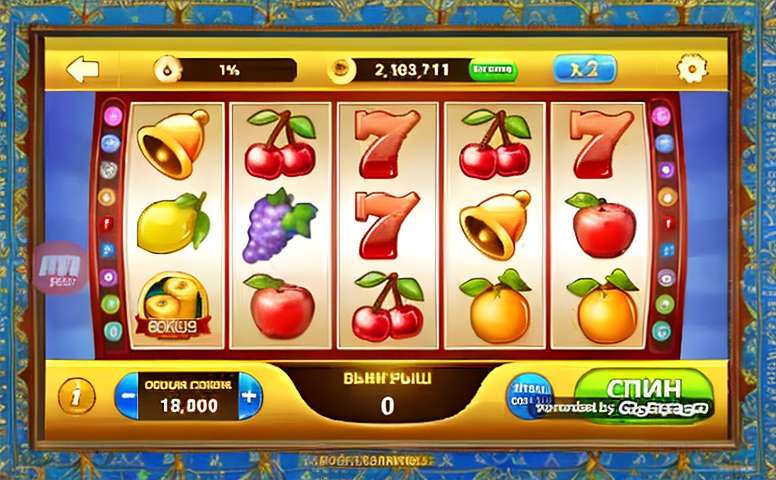
Fast forward to today, and the landscape has changed. Online gambling has exploded, with platforms like Joe Fortune emerging as leaders in the Australian market. Joe Fortune offers a massive range of pokies, table games, and live dealer options, all from the comfort of your couch. It’s a far cry from the smoky, carpeted halls of Wrest Point, but it’s part of the same ecosystem. The casino industry in Australia is now a two-headed beast: the physical venues like Wrest Point, and the digital giants that let you gamble from anywhere.
- If you’re after a pub-style experience with a bit of history, Wander up to Wrest Point and have a session on the classic machines – they’ve got a few old-school ones that still use coins.
- For a modern twist, check out the online options at all aboard pokies, where you can play the same games without having to leave the house or put on pants.
- Keep an eye on the NRL season – it’s a massive draw for local punters, and you can follow the latest odds on nrl.com.
The Modern Era and the Rise of Online
In the 2000s, Wrest Point underwent a major renovation. The shag pile carpet was ripped out, the mirrors were replaced with LED screens, and the fountain was turned into a cocktail bar. The casino now attracts a more diverse crowd – tourists from the mainland, international visitors on cruise ships, and locals who come for the live music and the Sunday roast. The gambling floor is still the heart of the place, but it’s no longer the only reason to visit.
Overseas, the trend is similar. In the UK, land-based casinos have been struggling since the rise of online betting. The same is true in the US, where states like New Jersey and Pennsylvania have legalised online casinos to compete with the physical ones. Australia is a bit behind on that front – the Interactive Gambling Act makes it tricky for local operators to offer online casino games, but offshore sites like Joe Fortune fill the gap. Wrest Point has its own online offering, but it’s limited compared to the global giants.
- For a taste of what the rest of the world is playing, head to bestinslot.co for expert reviews on the latest pokies and bonuses.
- If you’re a traditionalist, the live blackjack tables at Wrest Point are still some of the best in the country – dealers who know your name and a view of the river that makes losing a bit easier to swallow.
The Legacy of a Pioneer
The hobart gambling house wrest point casino history is a story of risk, resilience, and a bit of larrikin spirit. It was the first legal casino in Australia, and it paved the way for every other gambling venue in the country. Without Wrest Point, there might be no Crown Casino in Melbourne, no Star in Sydney, and no Jupiter’s on the Gold Coast. It was a gamble that paid off – for the government, for the tourism industry, and for the thousands of punters who have walked through its doors.
But it’s also a reminder that gambling is a double-edged sword. The same machines that fund schools and hospitals can also ruin lives. The key is balance, and Australia has a love-hate relationship with that concept. We’re a nation of punters, whether it’s on the Melbourne Cup, the footy, or a spin of the reels. Wrest Point represents that cultural quirk in its purest form: a place where you can have a beer, watch the water, and try your luck – all under one roof.
As Olivia Ryan says: “The Australian gambling market is unique because it’s so deeply embedded in the social fabric. You don’t see that in the UK, where casinos are often hidden away in backstreets. Here, the local pub has a gaming room, and the local casino is a tourist attraction. Wrest Point is the granddaddy of them all, and its history is a textbook example of how to build a gambling culture from scratch.”
So next time you’re in Hobart, take a drive past the white tower. Give a nod to the old girl. She’s been through a lot – royal commissions, economic downturns, and a global pandemic – but she’s still dealing. And if you’re feeling lucky, maybe wander inside and have a crack. Just remember: the house always wins, but at least the view is good.
